
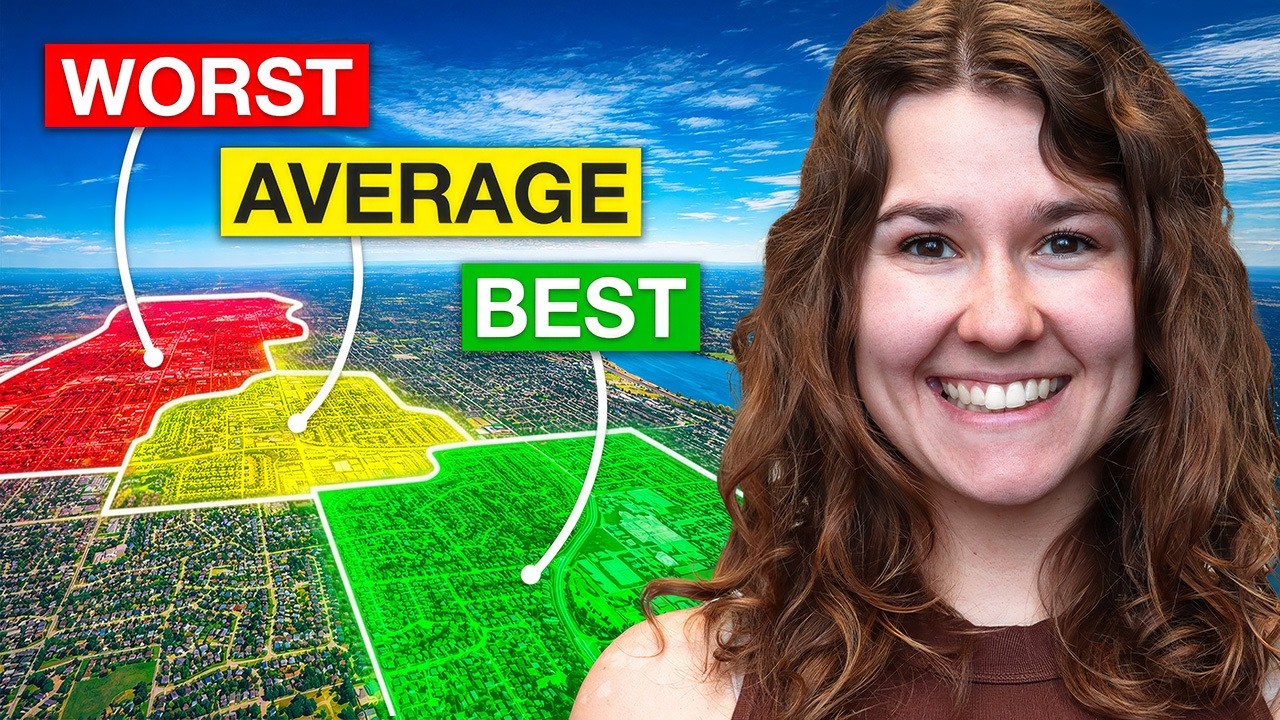
There is not one single best neighborhood in Vancouver, WA. The right fit depends on your budget, commute, lifestyle, and the kind of home you want.
This ranking moves from least compelling to most sought-after based on real day-to-day factors, not hype. It looks at affordability, community feel, walkability, shopping access, housing stock, parks, and long-term appeal. Lower-ranked areas still work well for plenty of buyers. They just come with clearer tradeoffs.
Camas is also included because buyers often compare it directly with Vancouver.
How this Vancouver area ranking works
This list focuses on everyday livability, not just home price. A cheap house in the wrong location can feel expensive once you factor in a difficult commute, limited shopping, or weaker resale appeal. On the other hand, a higher-priced area can feel worth it if it saves time and fits your routine better.
The ranking looks at:
- Home prices and value
- Neighborhood character
- Access to shopping and highways
- Schools, parks, and trails
- Age and condition of homes
- How easy each area is to recommend to relocating buyers
Some neighborhoods win on space. Others win on convenience or lifestyle.
Your own priorities can change the order. A buyer who wants walkability may put Downtown much higher. A buyer who wants top schools may skip straight to Camas.
The best neighborhood in Vancouver, WA, is the one that fits how you live each day.
The key factors that matter most to homebuyers
Before the rankings, it helps to know what usually drives the decision:
- Affordability matters first for many buyers, especially first-time buyers.
- Commute time affects your daily stress more than most people expect.
- Walkability can improve the quality of life if you want restaurants, parks, or errands close by.
- Community matters if you want a neighborhood with a clear identity.
- Housing age and lot size shape both upkeep and how much space you get.
- Retail and nature access often decide whether an area feels convenient or isolated.
Once you know which of these matters most, the list becomes much more useful.
8. Orchards is affordable and growing, but it feels uneven
Orchards lands near the bottom mostly because it feels less cohesive than other parts of Vancouver. Still, it offers solid value.
What works well here:
- Better affordability than many other Vancouver areas
- More new construction than older, built-out neighborhoods
- Good access to I-205
- Decent shopping convenience
The tradeoffs are harder to ignore:
- Housing quality and home age can vary a lot from one pocket to the next
- Traffic can feel heavier
- The area does not have the same charm or neighborhood identity as a higher-ranked spot.s
For first-time buyers, Orchards can still be a smart option. If your goal is more square footage for the money, this area deserves a serious look.
7. Downtown and Uptown Vancouver stand out for walkability and character
Downtown and Uptown are easy to love if you want an urban lifestyle. This part of Vancouver gives you older homes, local restaurants, coffee shops, festivals, Esther Short Park, the farmers market, and quick access to the waterfront.
Why people like it:
- Strong walkability
- Local restaurants and coffee shops
- Festivals and community events
- Easy access to Esther Short Park
- Close to the waterfront
- Strong sense of place and history
That said, lifestyle comes first here, not space.
- Older homes often need more upkeep
- Some homes still have outdated systems
- Lots are usually smaller
- Condo-style living may be part of the mix
Buyers who want a large yard or a newer floor plan may feel boxed in. Still, for walkability and local character, few Vancouver neighborhoods compare.
6. Barberton is a quiet backup plan with solid convenience
Barberton is a lesser-known option, and that is part of its appeal. It offers a more affordable path into North Vancouver while staying close to everyday needs.
What stands out:
- Flatter, former farmland setting
- Much of the growth has happened in the last decade
- Newer housing stock
- Good option for one-level or primary-on-main homes
- Close to Salmon Creek shopping
- Easy freeway access
The main drawback is that Barberton feels more like a bedroom community than a destination neighborhood.
- Limited retail
- Not much of a built-in social center
- Fewer reasons to linger outside the home
It works best for buyers who want a quiet base and do not mind driving for most activities.
These mid-tier Vancouver neighborhoods balance comfort, nature, and convenience.
This middle group tends to appeal to buyers who want established neighborhoods, outdoor access, and solid daily convenience without paying top-tier prices. Both areas feel easy to recommend because they avoid major downsides.
5. Mount Vista feels established, scenic, and close to major employers
Mount Vista has an established feel that many buyers notice right away. Larger lots, mature landscaping, and more visual variety make it feel less cookie-cutter than newer subdivisions.
Why it stands out:
- Larger lots
- Mature landscaping
- More visual variety
- Scenic views in some parts of the area
- Close to Washington State University Vancouver
- Near the Cougar Trails and open space
- Disc golf and outdoor recreation are nearby
It also draws buyers tied to Legacy Salmon Creek Hospital or nearby employers. Housing mostly dates from the 1980s through the 2000s, which often means more character and more breathing room than newer neighborhoods offer.
Mount Vista is not as polished or high-demand as Fisher’s Landing or Felida. Even so, it gives buyers a lot of balance.
4. Salmon Creek is one of the easiest areas for families to like
Salmon Creek ranks slightly higher because it checks more boxes for everyday life. Families often like it right away because schools, parks, sports, and errands all sit close together.
What makes it appealing:
- Salmon Creek Greenway access
- Strong park network
- Family-friendly feel
- Sports leagues and active recreation
- Growing retail mix
- Easy daily errands
Housing mostly comes from the 1990s and early 2000s. Since the area is largely built out, there is not much new construction left.
That can be a downside if you only want brand-new homes. Still, for buyers who want a dependable neighborhood with outdoor access and everyday convenience, Salmon Creek is one of the safest picks in Vancouver.
Why Fisher’s Landing, Felida, and Camas are so sought after
These three areas rise to the top because they combine strong day-to-day livability with long-term appeal. They cost more for a reason, and most buyers feel that quickly when they tour them.
3. Fisher’s Landing wins on location, neighborhood design, and staying power
Fisher’s Landing is one of the most complete neighborhoods in the Vancouver area. It has easy access to Highway 14, plus strong connections to both 164th and 192nd. That makes commuting, shopping, and school runs much easier than in many other parts of town.
What buyers like:
- Easy access to Highway 14
- Close to both 164th and 192nd
- Parks are built into many subdivisions
- Sidewalks and tree-lined streets
- Strong suburban feel close to everything
Many subdivisions have HOAs and limited rentals, which have helped keep the area well-kept and support long-term value. Homes mostly date from the 1990s and early 2000s, so buyers often get established neighborhoods without feeling dated.
The main downside is competition.
- The best updated homes can move fast
- Buyers often feel pressure in this market
Still, if you want suburban comfort close to everything, Fisher’s Landing earns its spot near the top.
2. Felida feels tucked away, established, and worth the higher price
Felida is one of the most desired parts of northwest Vancouver because it feels peaceful without feeling remote. Buyers get a stronger community feel here, plus good day-to-day livability and access to parks people actually use.
Why Felida ranks so high:
- Strong community feel
- Peaceful setting
- Great day-to-day livability
- Felida Community Park
- Raspberry Fields Park
- Neighborhoods like Erickson Farms help define the area
There is also a sense of stability in Felida. Homes are well-kept, streets feel settled, and inventory stays tight because people tend to hold onto what they have.
- Land is limited
- New construction is rare
- Higher-end homes push values up
- Prices stay above much of Vancouver
That higher cost is the tradeoff. Yet for buyers who want a tucked-away feel, established neighborhoods, and a calm setting, Felida often feels worth the premium.
1. Camas takes the top spot for schools, charm, and overall lifestyle
Camas is its own city, but it belongs in this conversation because buyers compare it with Vancouver constantly. For many households, it ends up being the benchmark.
Why Camas ranks first:
- Top-rated schools
- Strong community support
- Great access to nature
- A downtown people enjoy using
- Lacamas Lake
- Broad buyer demand
- Strong long-term desirability
Camas offers the total package for many buyers. The schools are a major draw, the downtown has charm, and Lacamas Lake adds trails, water access, and scenic surroundings close to home.
Price is the obvious hurdle.
- In 2026, the median sale price in Clark County is about $550,000
- Camas is around $810,000
That is a major gap, and it changes the conversation fast. Some buyers will decide the premium is worth it. Others will see strong alternatives in Vancouver itself.
Still, if schools, charm, and overall lifestyle matter most, Camas lands at the top for good reason.
Conclusion
Vancouver, WA does not have one perfect neighborhood. It has several strong options, each with a different best-fit buyer.
- Orchards makes sense for budget-minded buyers who want more house for the money.
- Downtown and Uptown fit people who care most about walkability and local character.
- Salmon Creek is a dependable pick for families.
- Fisher’s Landing blends convenience with strong value retention.
- Felida offers peace and community.
- Camas leads for schools and premium lifestyle.
The smartest next step is simple: compare neighborhoods based on your daily routine, not only their rank. Fit matters more than the label.