
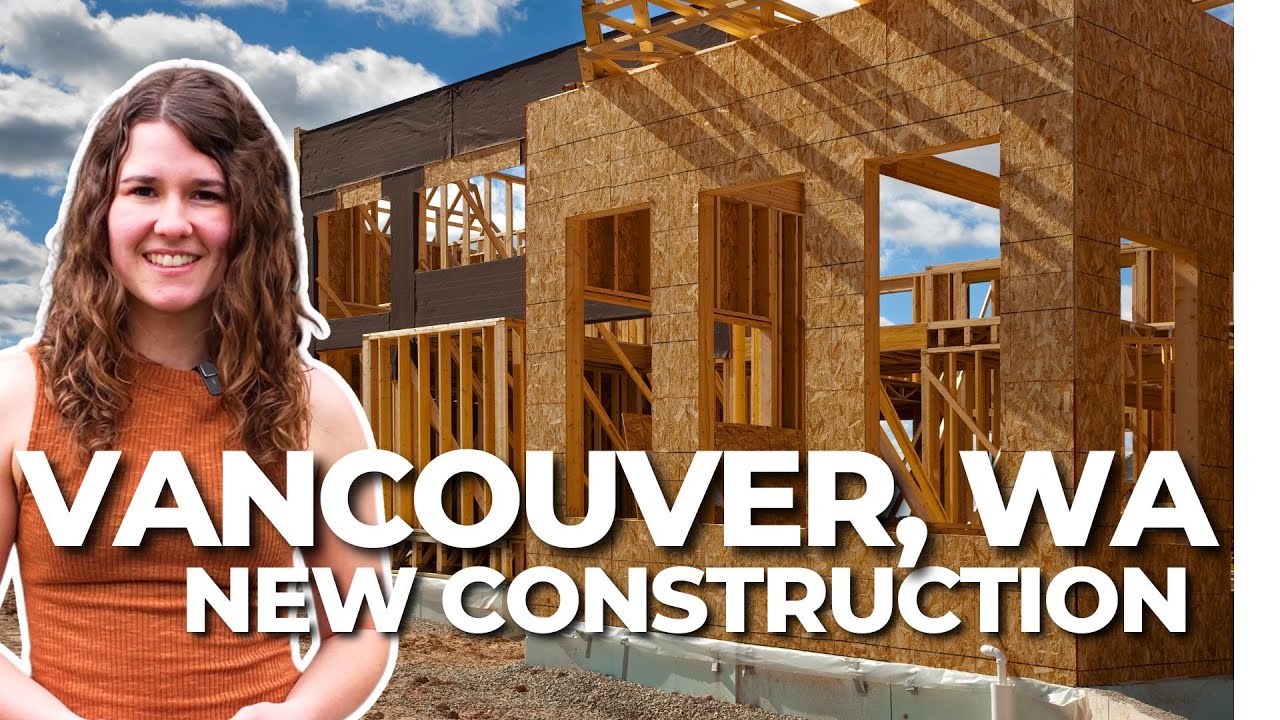
Buying new construction in Vancouver or Camas, WA, looks simple on paper: choose a community, pick a floor plan, select finishes, then wait to close. In Clark County, the fine print matters. Lot control, build deadlines, and builder contracts work a little differently than many buyers expect (especially if you built in another state).
This guide breaks down what to know in 2026:
- How lots work here
- Typical timelines by builder type
- What builders will negotiate (and what they usually won’t)
- Contract and deposit terms to watch
- Upgrade budgeting basics
- Inspection timing and how warranties typically work after move-in
How new construction works in Vancouver and Camas in 2026
In much of Clark County, you usually can’t buy a lot now and pick a builder later. In many communities, the builder or developer controls the lots, sells the lot and home together, and may require you to start within a short timeframe.
Most buyers fit into one of these paths:
- Production builder: Choose a plan and options from a set menu. Fastest and simplest.
- Semi-custom: More layout and feature choices. More add-on costs and meetings.
- Full custom: Most control over design and materials. Longest timeline and easiest for costs to grow.
Pick the path that matches your:
- Move timeline
- Budget flexibility
- How specific you are about layout and finishes
You usually cannot buy a lot at first. Here is what that means for your plan
In many neighborhoods, you’re shopping inside a builder’s system. That affects both timeline and choice.
Here’s what it usually means:
- You’re picking from lots controlled by a builder or developer.
- You’re choosing from their plans, elevation rules, and design limits.
- You can’t sit on a lot for months or years while you decide.
Prep before you tour:
- Get pre-approved (not just pre-qualified) and know your max price.
- Know your monthly comfort number, not just what a lender approves.
- Set an upgrade budget early, even if it’s a rough range.
- Decide must-haves now (bed count, office, main-level suite, lot size).
- Bring deal-breakers so you don’t get pushed into the wrong plan.
Typical build timelines in Clark County: production vs semi-custom vs custom
Common 2026 ranges:
- Production: 5 to 6 months
- Semi-custom: 8 to 10 months
- Full custom: 10 to 18 months
Big multi-month delays have been less common lately, but small shifts still happen. Plan for minor schedule changes due to weather, inspections, materials, or trade scheduling.
Quick fit examples:
- Production: need to move sooner, want fewer choices, want predictability.
- Semi-custom: want key layout upgrades and can wait a bit longer.
- Custom: want a unique plan and can handle a longer timeline and more decisions.
Price and negotiation playbook where you can actually win in 2026
What builders will negotiate most often
Builders in Vancouver and Camas usually protect the headline price to keep comps strong and avoid setting a discount precedent. Most wins show up as incentives instead of price cuts.
Common asks:
- Closing cost credit
- Interest rate buydown (temp or permanent, depends on the program)
- Design center credit
- Free upgrades (flooring level, quartz tier, shower tile, lighting package)
- Appliances or window coverings (often not standard)
Timing:
- Negotiate upfront, before signing or before removing any builder contingencies.
- Get everything in writing (in the contract or an addendum). No verbal promises.
Spec and inventory homes vs building from the ground up
Leverage depends on what you’re buying.
Ground-up builds with heavy customization usually mean fewer incentives. With spec and inventory homes, builders have carrying costs, so incentives tend to be better.
How to spot an inventory home and what to ask:
- Look for “move-in ready,” “quick move-in,” or a specific completion month.
- Ask, “Is this already permitted or under construction?”
- Ask, “What incentives are tied to using the builder’s lender?”
- Ask, “Are there credits or price drops available this month?”
- Ask, “What’s included now that usually costs extra?”
Contracts, upgrades, and protecting yourself from move-in to warranty
New construction is new, but the paperwork can be strict. Most surprises come from builder contracts, deposits, and upgrade pricing.
This is practical guidance, not legal advice.
Builder contracts and deposits, the big terms to understand before you sign
Most builders use their own forms. The terms often lean builder-friendly, and deposits are typically non-refundable once you sign and the builder starts work.
Some builders limit financing or inspection contingencies. Many still allow inspections, but you may have fewer ways to cancel compared to resale.
Review these closely:
- Deposit schedule (amounts, due dates, and when it becomes non-refundable)
- Change order rules (pricing, approvals, timeline impact)
- Completion timeline language (what counts as a delay, what doesn’t)
- Lender requirements (approval deadlines and underwriting)
- Rate risk (what happens if rates rise before closing)
- Dispute process (mediation, arbitration, attorney fee clauses)
Upgrades and design studio budgeting, what most buyers spend and where it goes fast
Two common upgrade phases:
Structural choices (early, often before permits): layout and build changes.
Design studio selections (later): floors, counters, tile, fixtures, and finishes.
Budget anchors:
- Production builder upgrades often start around $10,000 to $15,000
- Semi-custom or custom upgrades can run 10% to 20% of the base price
Where money goes fast:
- Structural: covered patio, bigger island, extra bedroom, 3-car garage
- Design: flooring, tile, cabinets, extra lighting, paint upgrades
Avoid overspending:
- Rank must-haves before the design appointment.
- Prioritize hard-to-change-later items (layout, wiring, blocking).
- Price out after-market work (blinds, garage storage, landscaping).
- Watch small add-ons; they stack fast.
- Ask for the base spec sheet, so you know what you’re upgrading from.
- Leave margin for move-in costs (fencing, fridge, washer,r and dryer).
Inspections and warranties, what to schedule, what a 1-2-10 warranty covers
Even with a new home, schedule your own inspections.
Common plan:
- General home inspection near completion
- Sewer scope
- Radon test sometimes (ask your inspector)
You’ll submit the report to the builder. The builder may disagree with a few minor items, especially if they are opinion-based or not code-related.
Common 1-2-10 warranty breakdown:
- 1 year workmanship (cosmetic issues, adjustments, minor fixes)
- 2 years of systems (HVAC, plumbing, electrical)
- 10 years structural (major structural defects)
Move-in protection checklist:
- Do a final walk and take photos.
- Document issues in writing and keep emails organized.
- Track warranty deadlines on your calendar.
- Submit items early. Don’t wait until month 11.
Conclusion
New construction in Vancouver and Camas can be a solid option in 2026 if you plan around how it works here. Lot rules often mean you’re buying inside a builder’s system and starting soon. Timelines depend on the builder type, with production usually fastest. Negotiation is usually in credits and rate help, not the headline price. Protect yourself by reviewing the contract, setting an upgrade cap early, and scheduling inspections, then tracking warranty items after move-in.