
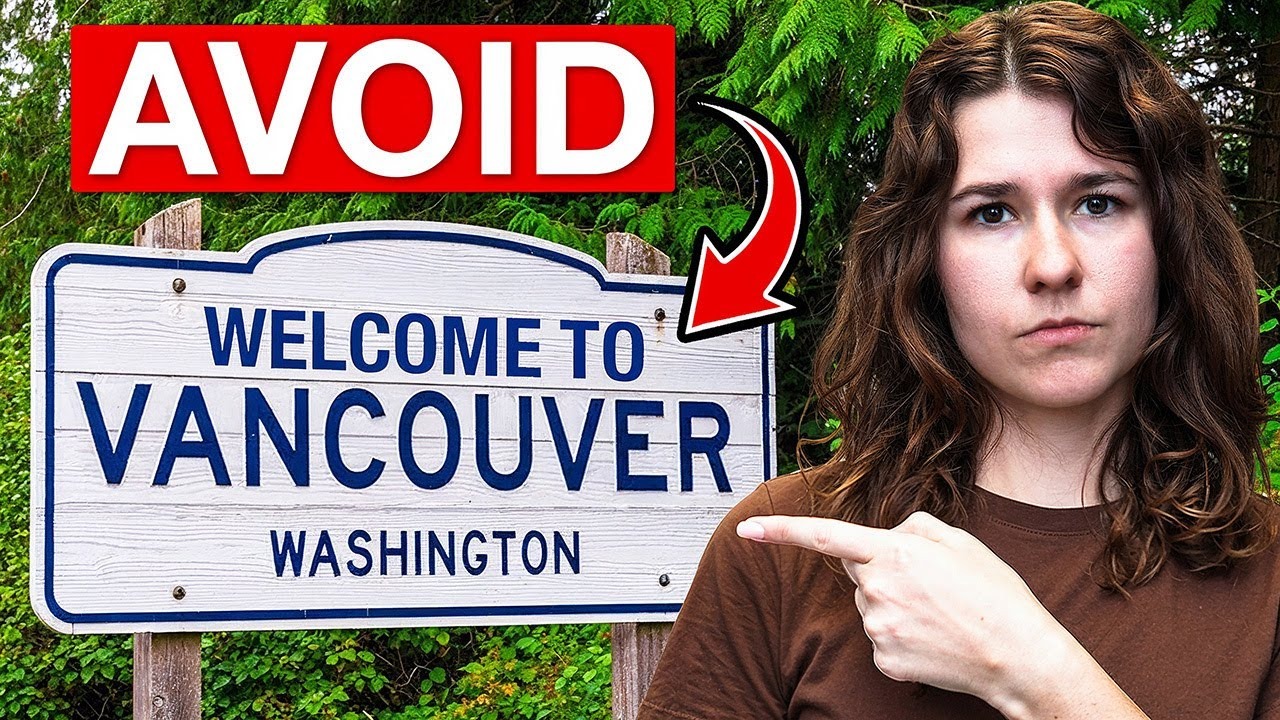
Vancouver, Washington, looks great on paper: no state income tax, strong access to nature, and pricing that can beat many West Coast cities. However, the day-to-day tradeoffs often surprise many newcomers.
Daily life in Vancouver feels different from what many newcomers expect
Vancouver is friendly, but it is not automatically social. People are polite, but many keep to their existing circles. Winter also changes the vibe.
What surprises newcomers first:
- You may need to put in more effort to build a friend group
- Social plans can slow down in winter
- The neighborhood feel varies a lot across Clark County
What winter feels like in Vancouver
Rain is common, but it is often light (mist and drizzle). Locals usually wear hoods and rain shells instead of carrying umbrellas.
Winter can feel quieter. After Thanksgiving through late winter, many people stay home more. Plans slow down. Daylight is limited.
Ways to make winter easier:
- Join something early (gym, climbing gym, yoga, rec league, class)
- Schedule friend time
- Pick an indoor hobby (games, cooking, music, crafts)
- Get outside during daylight (midday walk helps)
- Plan a winter trip (even a weekend)
- Try a SAD lamp if low light affects your mood
- Choose housing with good natural light (windows and layout matter)
You will notice a political mix, plus an old stigma that is fading
Clark County has a mix of political views:
- Downtown Vancouver often leans more blue
- Many suburbs feel more split
- Rural areas often trend more red
Most neighbors still get along day-to-day.
You might hear the old “Vantucky” label. It is used less now as the area grows and keeps adding new development, restaurants, and amenities.
Neighborhood fit at a glance:
- Downtown and Uptown: more walkable, more events, older homes
- Suburbs (Felida, Salmon Creek, Cascade Park): more family feel, more driving
- Rural edges: more space, longer drives, fewer nearby services
Taxes
Vancouver can save you money, but it depends on where you work and where you spend.
What to know:
- No Washington state income tax (big perk for many households)
- Sales tax is the tradeoff: Clark County is often 7.8% to 8.8%, depending on the city and location
- Washington’s capital gains tax exists in some situations (plan if you sell investments)
- Oregon wages surprise a lot of people: if you live in Vancouver but work in Oregon, you may owe Oregon income tax on those wages
Quick checks:
- Where will you work (WA, OR, remote, mixed)?
- Where will you buy big-ticket items (car, furniture, appliances)?
- How does your employer handle remote work?
- Talk to a tax pro if your situation is not simple
Traffic and getting around
Most people drive in Vancouver. Your commute can be easy or miserable depending on your route, schedule, and bridge crossings.
What to know:
- Traffic is time- and route-specific, not “bad everywhere.”
- I-5 often feels more chaotic (more trucks and through-traffic)
- I-205 is more of a bypass, but it still jams during peak hours
- The I-5 Bridge replacement may affect routines (timelines discussed include construction around 2026 and possible tolling around 2027, but plans can change)
- Growth means more housing and more construction, especially in expanding areas
- Walkable pockets exist, but they are limited (especially Downtown and Uptown)
Commute and driving tips:
- Test-drive your route at rush hour before you sign a lease
- Live close to your main route (I-5 or I-205) if you cross the river
- Budget extra time for crashes and weather
- Have a Plan B route
- If you want fewer car trips, prioritize a home near groceries, schools, and your main services
Where car dependence shows up most:
- School drop-offs and sports
- Errands and appointments
- Commuting and river crossings
- Parking and bike comfort
Weather and outdoor risks
It does not rain every day. Summers can be hot and bright.
What to plan for:
- Heat waves happen, and AC is no longer optional in many homes (especially older homes)
- Wildfire smoke can show up in late summer, some years,s and limit outdoor time
- Toxic algae blooms can happen in warm months. Advisories have shown up at times for:
- Lacamas Lake
- Round Lake
- Vancouver Lake
Check current advisories before swimming or letting dogs drink the water.
Home and packing checklist:
- Hooded rain jacket
- Waterproof shoes
- Air purifier (smoke season)
- AC or heat pump (verify it)
- Dehumidifier if needed
Conclusion
Living in Vancouver, WA, can be a great move if you are realistic about winter, your commute, and the tax details. Heat, smoke, and lake advisories also matter more than most newcomers expect.
Before you commit:
- Visit in winter
- Rent first if unsure
- Test the commute at peak times
- Confirm AC or a heat pump
- Review your tax situation (especially Oregon wages)
- Pick a neighborhood for your routine (work, school, errands)